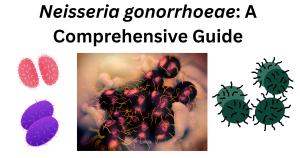
Neisseria gonorrhoeae: A Comprehensive Guide
Neisseria gonorrhoeae

There are two types of genus Neisseria: pathogenic and non-pathogenic. Neisseria gonorrhoeae is a pathogenic gram-negative bacterium that is responsible for causing gonorrhea. It was named after a scientists Albert Neisser, who discovered the etiological agent of gonorrhea in the pus of patients in 1889. But the bacterium was first discovered in 1979 by a German physician … Read more
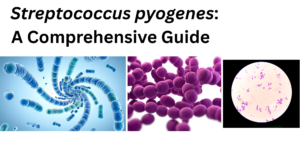
Streptococcus pyogenes: A Comprehensive Guide

Streptococcus pyogenes

The genus Streptococcus comprises more than 37 species and is classified as aerotolerant, fermentative, gram-positive cocci. They are usually catalase positive, non-sporing, and non-motile except Streptococcus sanguis, which shows twitching motility with polar fimbriae. According to Brown (1919), there are … Read more

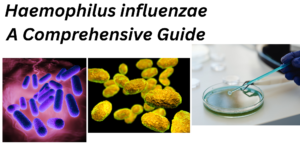
Haemophilus influenzae: A Comprehensive Guide

Haemophilus influenzae

Haemophilus influenzae is the gram negative cocco bacilli which was first isolated by Richard Pfeiffer during the influenza pandemic of 1890. It was previously called Pfeiffer’s bacillus or Bacillus influenzae. It was mistakenly thought to be the cause of the … Read more

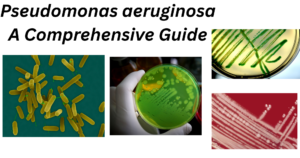
Pseudomonas aeruginosa: A Comprehensive Guide

Pseudomonas aeruginosa

Among 191 species of genus Pseudomonas, only more than 25 have been identified in association with humans, with Pseudomonas aeruginosa one of them.  P. aeruginosa is an opportunistic pathogen commonly found in the environment mainly in soil and water, but … Read more