Mycoplasma pneumoniae: A Comprehensive Guide
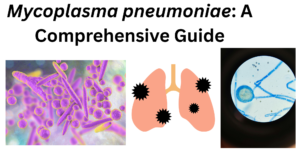
Mycoplasma pneumoniae

Mycoplasma pneumoniae is a bacterium belonging to the class Mollicutes, that can infect humans. It usually causes upper respiratory tract infections but can also cause pneumonia. Many extrapulmonary infections have been attributed to M. pneumoniae infections. The bacteria typically cause … Read more

Acinetobacter baumannii: A Comprehensive Guide

Acinetobacter baumannii

Acinetobacter baumannii is a highly adaptive, opportunistic pathogen that greatly affects immunocompromised individuals. Due to their multidrug resistance and their significant role in nosocomial (hospital-acquired) infections, they are also recognized as one of the ESKAPE pathogens.  The genus Acinetobacter was … Read more

Staphylococcus epidermidis: A Comprehensive Guide

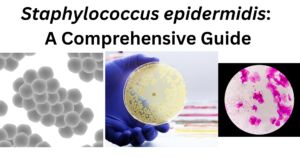
Staphylococcus epidermidis

Staphylococcus epidermidis is a coagulase-negative, gram-positive cocci bacteria that forms clusters. It is a common symbiont bacterium that can become infectious once inside the human host. They are the most common coagulase-positive Staphylococcus species that live in human skin. In … Read more

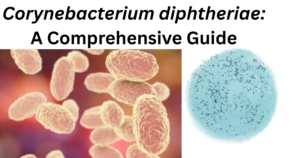
Corynebacterium diphtheriae: A Comprehensive Guide

Corynebacterium diphtheriae

Corynebacterium diphtheriae, also known as Kleb’s Loeffler bacterium, is responsible for causing a serious infection known as diphtheria which spreads from human to human mainly via respiratory droplets while sneezing or coughing. This bacterium is responsible for the production of … Read more

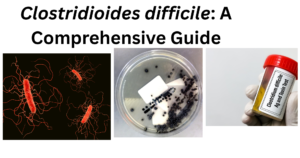
Clostridioides difficile: A Comprehensive Guide

Clostridioides difficile

Clostridioides difficile formerly known as Clostridium difficile is a bacterium which is most commonly found in soil and in hospital environments which is responsible for causing diarrheal illness. It produces a toxin that infects people who have been taking antibiotics … Read more

Clostridium tetani: A Comprehensive Guide

Clostridium tetani

Clostridium tetani is a causative agent of disease known as tetanus. Spores of Clostridium tetani are responsible for disease which is commonly found in soil, ash, feces of human and gut and feces of some animal and on the surface … Read more

Streptococcus pyogenes: A Comprehensive Guide

Streptococcus pyogenes

The genus Streptococcus comprises more than 37 species and is classified as aerotolerant, fermentative, gram-positive cocci. They are usually catalase positive, non-sporing, and non-motile except Streptococcus sanguis, which shows twitching motility with polar fimbriae. According to Brown (1919), there are … Read more

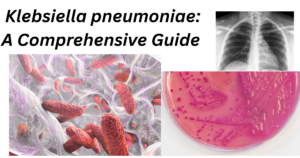
Klebsiella pneumoniae: A Comprehensive Guide

Klebsiella pneumoniae

Klebsiella pneumoniae is a Gram-negative bacillus which is found mainly in the stool and respiratory tract of humans and is responsible for causing various illnesses from wound infections to pneumonia. They can turn into “superbugs” that are really hard to … Read more

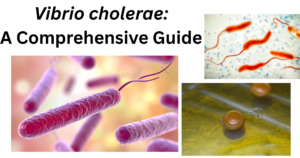
Vibrio cholerae: A Comprehensive Guide

Vibrio cholerae

Cholera, a bacterial infection, has led to multiple epidemics and pandemics throughout history. Cholera is caused by the bacterium Vibrio cholerae. Vibrio cholerae was first isolated in 1883 by Robert Koch. Since 1817, seven cholera pandemics have been registered worldwide. … Read more