Listeria monocytogenes: A Comprehensive Guide
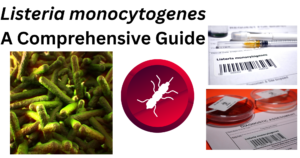
Listeria monocytogenes

Listeria monocytogenes is a gram-positive, facultative, non-spore-forming, intracellular rod bacteria. They are responsible for causing the infection listeriosis. Listeria causes severe infections in immunocompromised, the elderly, infants and pregnant women with only a self-limited gastrointestinal infection in the immunocompetent. L. … Read more
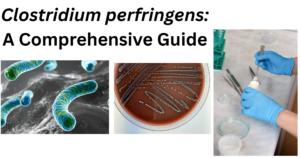
Clostridium perfringens: A Comprehensive Guide

Clostridium perfringens

Clostridium perfringens is an anaerobic gram-positive spore-forming bacillus and is associated with acute gastrointestinal infections. C. perfringens possesses a diverse collection of toxins responsible for disease pathogenesis and can form spores resistant to environmental stress. This gram-positive bacterium is associated … Read more

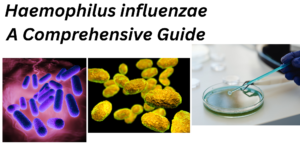
Haemophilus influenzae: A Comprehensive Guide

Haemophilus influenzae

Haemophilus influenzae is the gram negative cocco bacilli which was first isolated by Richard Pfeiffer during the influenza pandemic of 1890. It was previously called Pfeiffer’s bacillus or Bacillus influenzae. It was mistakenly thought to be the cause of the … Read more

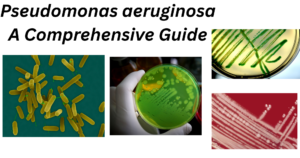
Pseudomonas aeruginosa: A Comprehensive Guide

Pseudomonas aeruginosa

Among 191 species of genus Pseudomonas, only more than 25 have been identified in association with humans, with Pseudomonas aeruginosa one of them.  P. aeruginosa is an opportunistic pathogen commonly found in the environment mainly in soil and water, but … Read more

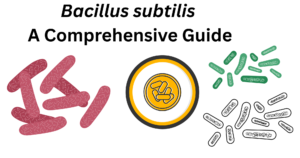
Bacillus subtilis: A Comprehensive Guide

Bacillus subtilis

Bacillus subtilis also known as hay bacillus or grass bacillus is one of the best characterized bacteria and is used as a model organism for Gram positive bacteria to study bacterial chromosome replication and cell differentiation. It is a rod-shaped … Read more

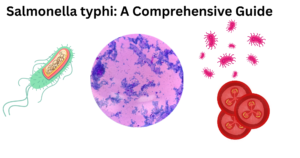
Salmonella Typhi: A Comprehensive Guide

Salmonella typhi

Salmonella Typhi is a serovar of S. enterica, which is a ubiquitous pathogen that affects both humans and animals. These bacteria are acquired by the consumption of feces contaminated food or water which infect the intestinal tract and blood and cause disease known … Read more

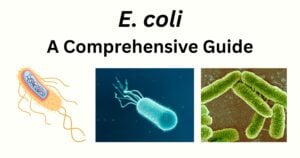
E. coli: A Comprehensive Guide

E coli 1

E. coli was first identified by the German pediatrician Theodore Escherich during his studies of the intestinal flora of infants. This is a group of bacteria which is normally found in the GI tract, urinary tract and other parts of … Read more

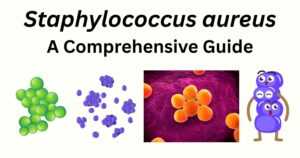
Staphylococcus aureus: A Comprehensive Guide

Staphylococcus aureus

Staphylococcus aureus is a bacterium commonly found in the noses of about 30% of individuals and on the skin. Most of them are not harmful but sometimes it can cause infections. In hospital settings, these infections can lead to fatal … Read more