
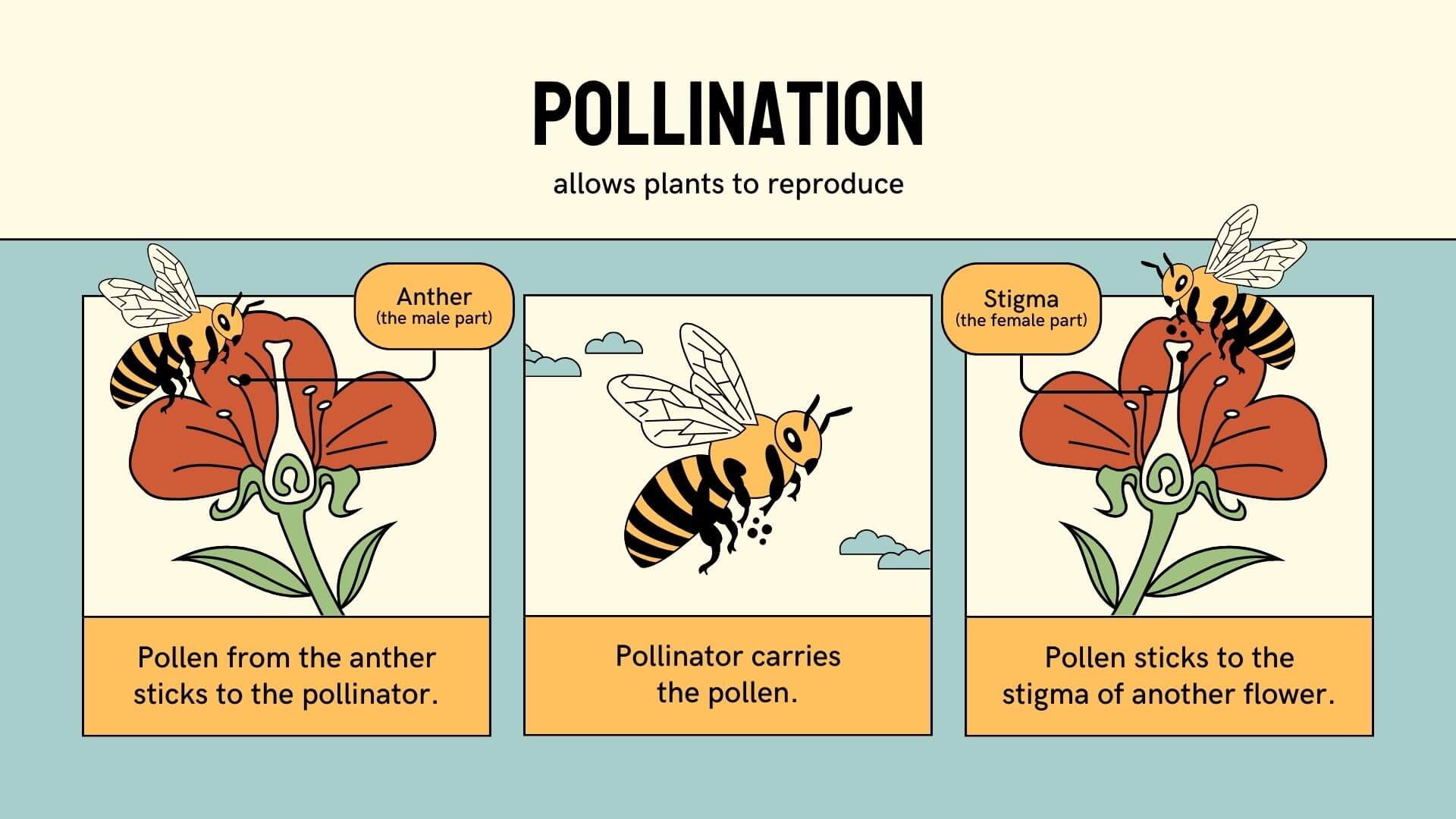
Apis are insects around us serving as one of the important pollinators of the globe. When looking at the data of pollinators, Apis is found to be accountable for 70–75% of the pollination of all global crops. Though they visit flowers for nectar, in the meantime, they help transfer pollen to the stigma, either in the same flower or between two flowers.
The honey bee we see on a daily basis is just one example; in reality, there are more than 20,000 species of bees living in different regions and altitudes of the world, contributing as significant pollinators in their respective ecosystems. All of these species are placed under seven families within the superfamily Apoidea, showing their wide diversity and ecological importance across diverse habitats.
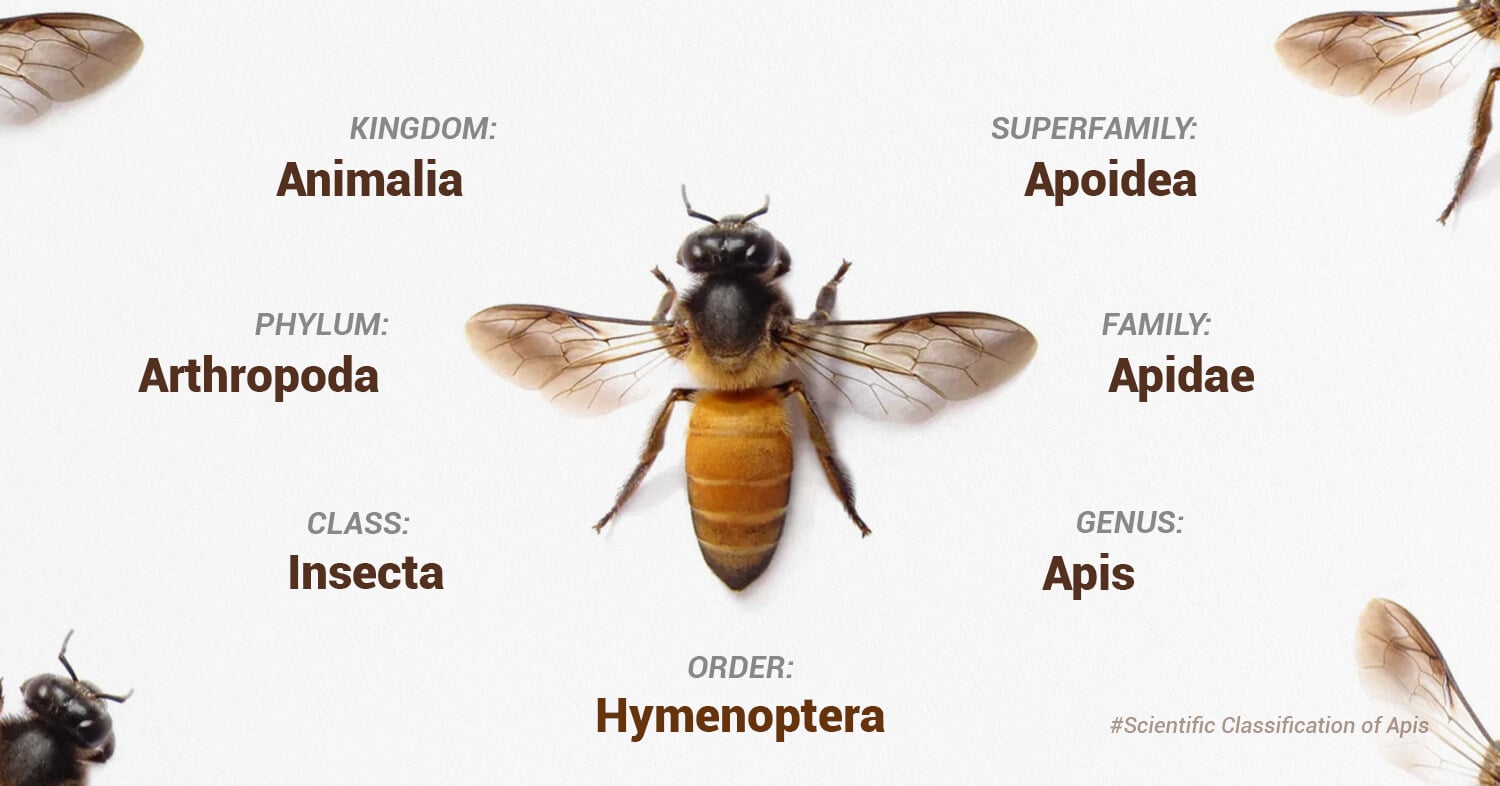
Scientific Classification of Apis
Kingdom: Animalia
Phylum: Arthropoda
Class: Insecta
Order: Hymenoptera
Superfamily: Apoidea
Family: Apidae
Genus: Apis
Genus Apis
Bees, wasps, and ants all fall under the order Hymenoptera. Among these important pollinators, the genus Apis is famous for honey production and its highly organized eusocial behavior.
Honeybees live in colonies with a queen, workers, and drones, the classification is based on work division; who performs which task. The queen is the only female with reproductive power; she lays eggs and the future of the hives is dependent on her, and drones are supposed to mate with the queen, making eggs fertile. Workers are the ultimate labors of the group; they perform all the tasks, from collecting nectar and pollen to feeding the brood, helping the larvae grow.
The Apis species extends beyond normal honey makers, for example, one extraordinary species, Apis laboriosa, the Himalayan giant honeybee, builds enormous combs on steep cliff faces at high altitudes and is popular for producing a unique honey kind, “mad honey”. This adaptation demonstrates how habitat can influence evolution, shaping nesting behavior, foraging patterns, and social structure. Other species of Apis, such as Apis mellifera (the western honeybee), have adapted to various climates and regions, showing the versatility and global importance of this genus.
Basis of Classification of Bees
There are over 20,000 recognised species of Apis; the remarkable diversity, hence, needs a systematic approach for classification.

Here are some key characteristics that form the foundation for the categorization:
Morphological Characteristics to Classify Bees
The physical form and structure of bees are a major factor in their classification. One of the most important traits is tongue length: short-tongued or long-tongued, allowing them to feed on different kinds of flowers. Body hair, also called scopa, is another key feature used by bees to collect and carry pollen. The arrangements of veins in their wings, the structure of the mandible and the abdominal structures are also used to identify and classify species.
Behavioral Characteristics
The bee behavior is another important factor in classification. Whether the bees prefer a solitary, semi-social, or eusocial mode of life makes a major difference in understanding their social organization. Nesting habit also quite differs among the bees, some live in hives, some dig burrows in the ground, some occupy tree cavities, and species like Apis laboriosa build combs on vertical cliffs. As different bees use different methods to search and collect nectar and pollen, foraging behavior also becomes one of their important classification cues.
Ecological Characteristics
Ecology of bees is the study of how bees interact with the environment they live in. Habitat preference is one of the most important distinguishing factors that bees are classified by; certain bees such asPerdita are desert-adapted species and they can survive in arid regions. The majority of the species like to live in forests, some of them can be domesticated and unique ones such as Apis laboriosa live and nest on high-altitude cliffs.
Bees also differ in floral specialization, meaning different species of bees prefer collecting nectar and pollen from a variety of flowers. Their climate tolerance is also observed to be different in bees which is also used as a basis of classification; whether they can survive extreme heat, cold, or humidity affects where they can live. Seasonal activity is another ecological trait, indicating when bees are active during the year, which is closely related to the flowering patterns in their habitat.
Genetic Characteristics
As a result of advances in molecular tools and techniques, genetics has become a crucial tool for bee classification in recent decades. Some popular methods implied by scientists for confirming traditional classification, and sometimes to uncover new species include:
- DNA sequencing: The sequence analysis of specific genes is useful in comparing genetic material across bee species. It is mainly used to understand evolutionary relationships.
- Phylogenetic analysis: It uses genetic markers, specific DNA sequences that show how closely species are related.
Seven Bee Families
The bees are classified into seven families.

1. Colletidae
Colletidae are slender, yellow-faced bees- with more than 2,700 species. Most of these bees are short-tongued and are known by the name of plasterer or cellophane bees because of their unique character, lining their nest cells with a secretion, that protects the nest from water.
Colletids are mostly solitary, found nesting in soil. They choose to feed on a variety of flowers but they’ve been observed showing a preference for certain plant families, including legumes. This family is divided into subfamilies such as Colletinae and Euryglossinae, these differ in nesting and pollen-collecting habits.
Important species under Colletidae: Colletes cunicularius, Hylaeus communis, Euryglossa adelaidae, Colletes daviesanus
2. Stenotritidae
This is a very small bee family consisting of 21 species, all endemic to Australia. These nest on the ground and most of them spend a solitary life. Being limited to Australia, they forage on native Australian flowers, and their ecology is highly dependent on the local flora of their areas of habitat. Although the number of species is few in numbers, but their significance goes far beyond than what can be expected, each of the species is important to keep the ecosystem of the region alive.
Important species under Stenotritidae: Stenotritus splendens, Stenotritus elegans, Stenotritus murrayensis, Stenotritus flavipes
3. Andrenidae
Andrenidae is one of the huge bee families, having more than three thousand species, which are mainly ground- nesting or solitary bees. The members of this family are commonly referred to as mining bees. They are short-tngued and feed primarily on early spring plants, such as many fruit trees, wild flowers, etc. Its subfamilies like Andreninae are florally specialized, its species are known for collecting pollen only from particular plant families, essential in the reproduction of these plants.
Important species under Andrenidae: Andrena fulva, Andrena cineraria, Andrena nitida, Panurginus spinipes, Perdita minima
4. Halictidae
Halictidae are known as sweat bees because they show a peculiar behavior, they are attracted to human sweat. The family comprise approximately 4500 species- containing bees both with solitary or social way of living. They have short tongue and feed on a great diversity of flowers, showing generalist feeding habits. The subfamilies like Halictinae are categorized on the basis of social lifestyles such as solitary nesting to eusocial colonies. These bees are major pollinators of wild plants and crops.
Important species under Halictidae: Lasioglossum malachurum, Halictus rubicundus, Augochlora pura, Agapostemon virescens, Nomia melanderi
5. Melittidae
Melittidae is a small family with more than 200 species. They are often specialized feeders, they visit only certain types of flowers and are important for specific plant-pollinator interactions. These bees are usually solitary and nest in the ground. The unique feature about the family is, some of the subfamilies such as Melittinae can collect pollen from narrow flowers, the adaptation shows co-evolution with their preferred floral sources.
Important species under Melittidae: Melitta leporina, Hesperapis regularis, Dasypoda hirtipes, Macropis europaea
6. Megachilidae
Megachilidae has over 4,100 species; leafcutter, mason, and carder bees are common species in it. They are long-tongued bees, they don’t carry pollen on legs but on the lower side of their abdomen. The family consists mostly of bees spending life solitary- they are excellent pollinators often collecting leaves, mud, or plant fiber, as nesting materials.
The family is further classified into subfamilies Megachilinae and Lithurginae, each with specific nesting behaviors. Their floral sources are diverse, they can be found foraging on almost anything, shrubs, herbs and many garden crops.
Important species under Megachilidae: Megachile rotundata, Osmia bicornis, Anthidium manicatum, Lithurgus chrysurus, Megachile centuncularis
7. Apidae
It is the most common bee family; largest, most diverse family, with roughly 5,700 to 6,000 species. The common honeybees (Apis), bumblebees (Bombus), stingless bees, and orchid bees- all are included in this family.
Bees in this family show a wide range of social behaviors, some are solitary species and others are highly eusocial colonies as observed in the case of honeybees. They are long-tongued and are adapted in a way that they can visit a variety of flowers, including deep-tubed blooms that other bees cannot reach.
Apidae is further classified into several subfamilies, the ones like Apinae and Xylocopinae display specialized behaviors, including complex nest building, resin collection, and advanced communication techniques like the honeybee waggle dance. Apidae bees are vital pollinators of earth, for the pollination of both wild plants and agricultural crops worldwide.
Important species under Apidae: Apis mellifera, Apis cerana, Apis dorsata, Apis laboriosa
References
- The Himalayan Giant Honey Bees (Apis Laboriosa).
- https://historyofbees.weebly.com/classification.html
- https://www.inaturalist.org/projects/himalayan-giant-honey-bee-apis-laboriosa
- https://www.researchgate.net/publication/343229857_Bees_Phylogeny_and_Classification
- https://www.inaturalist.org/taxa/47220-Apis

Apis is not a species, it’s a genus, so not 20,000 but 9.
Hi Karl,
We actually want to say, “There are over 20,000 recognised species of Apis”. We have modified the sentence to make it more clear.
Thank you.