What is Standard Hydrogen Electrode?

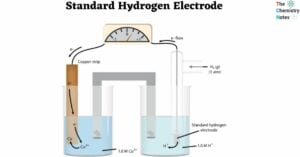
Standard Hydrogen Electrode

Abbreviated as SHE, the Standard Hydrogen Electrodes, a redox electrode, is the foundational basis of the scale of the oxidation-reduction potential. Moreover, it is the main electrode where the electrochemical reaction takes place. It consists of a platinum electrode immersed … Read more

Chemotherapy: Introduction, Types, Side Effects 

Chemotherapy

Chemotherapy is one of the most widely used and effective cancer treatments. It kills rapidly developing cells, such as cancer cells, and prevents them from proliferating. Chemotherapy medications may be administered differently depending on the type of cancer and the … Read more

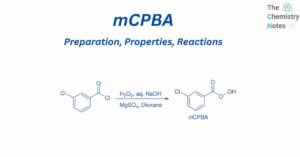
mCPBA: Preparation, Properties, Reactions

mCPBA

mCPBA (Meta-chloroperoxybenzoic acid ) is a peroxycarboxylic acid with the chemical formula C7O3H5Cl. It is a white crystalline powder with a melting point of 90 degrees Celsius. mCPBA is a powerful oxidising agent that is commonly employed as an oxidant … Read more

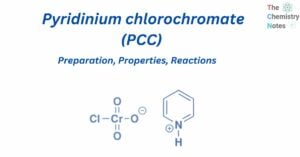
PCC: Preparation, Properties, Reactions

PCC

PCC (Pyridinium chlorochromate) is an oxidizing agent with the formula [C5H5NH]+[CrO3Cl]. It is a reagent in chemical synthesis that is mostly used to oxidize alcohols to generate carbonyls. Corey and associates first developed pyridinium chlorochromate, which is a stable orange solid … Read more

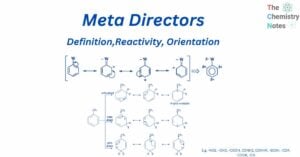
Meta Directors: Definition, Reactivity, Orientation

Meta directors

Meta directors are deactivating groups on benzene that direct the electrophile E to the meta position. In comparison to hydrogen, deactivating groups slow down the rate of electrophilic aromatic substitution. Substituents that pull electron density away from nearby carbocations (e.g., CF3, … Read more