Chemotherapeutic agents are medications used during chemotherapy, frequently referred to as “chemo.” Chemotherapy is one of the most widely used and effective cancer treatments. It kills rapidly developing cells, such as cancer cells, and prevents them from proliferating.
The word “chemotherapy” was coined by Paul Ehrlich, a German chemist who studied the use of medicines to treat infectious diseases. He was also the first scientist to use animal models to test a variety of compounds for their potential anti-disease activity.
The majority of chemotherapy drugs and medicines work by interfering with DNA production or function. Each chemotherapy medication acts at various stages of the cell cycle. Chemotherapy medications disrupt the cell cycle, killing cancer cells and stopping them from reproducing. Chemotherapy medications use a variety of strategies to disrupt the cell cycle and combat cancer.
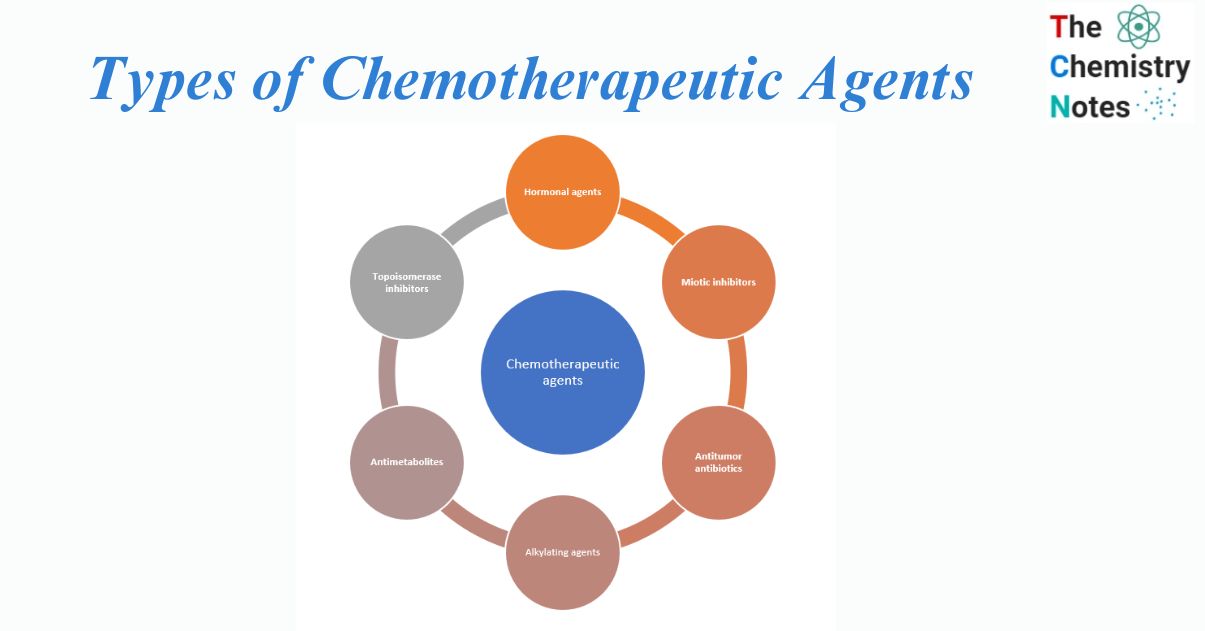
Types of chemotherapeutic agents
Alkylating agents
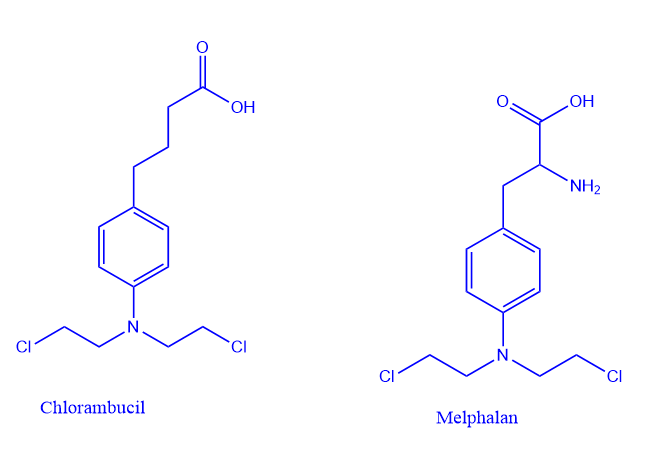
Alkylating compounds were among the first anti-cancer medications and are still among the most regularly used chemotherapeutic agents today. Alkylating chemicals act directly on DNA, producing cross-linking of DNA strands, unusual base pairing, or DNA strand breakage, stopping the cell from dividing. E.g., Mechlorethamine, Melphalan, Chlorambucil
Antimetabolites
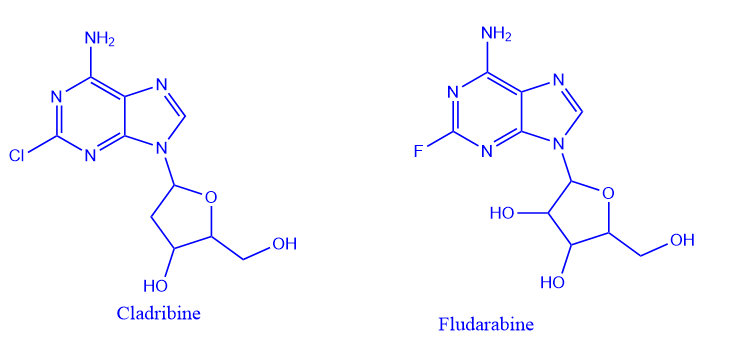
Antimetabolites are drugs used for chemotherapy that are remarkably similar to natural cell contents. When these compounds are incorporated into cellular metabolism, the cells are unable to divide. Antimetabolites are only active during the cell cycle.E.g., 5-Fluorouracil, Foxuridine, Cytarabine, Cladribine, Fludarabine
Topoisomerase inhibitors
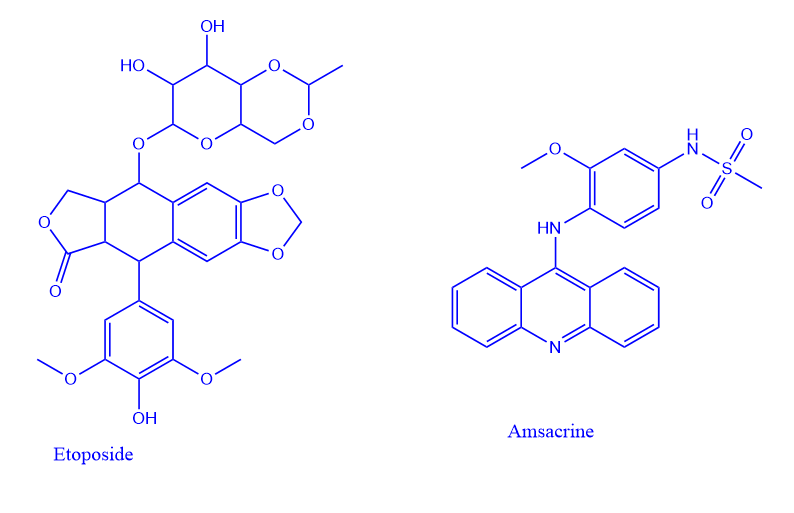
Topoisomerase inhibitors prevent DNA from copying itself by inhibiting an enzyme called topoisomerase. Stopping this enzyme inhibits cancer cells from growing and may also cause DNA damage in the cells. E.g, Ironotecan, Topotecan, Amsacrine, Etoposide,
Miotic inhibitors
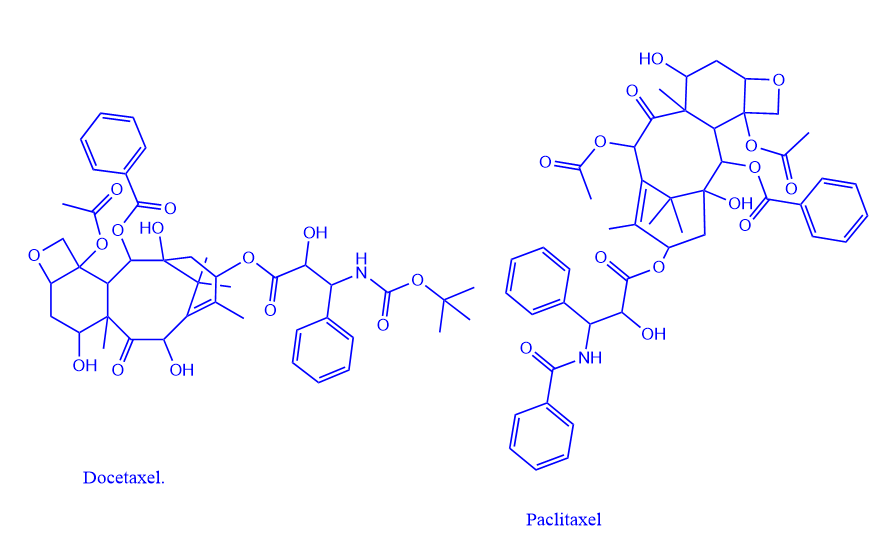
Mitotic inhibitors are also known as plant alkaloids since they are generated from the same substance that plants employ to protect themselves from predators. These medications act by disrupting a cancer cell’s capacity to divide and divide again, a process known as mitosis. E.g., Cabazitaxel., Nab-paclitaxel, Paclitaxel, Docetaxel.
Hormonal agents
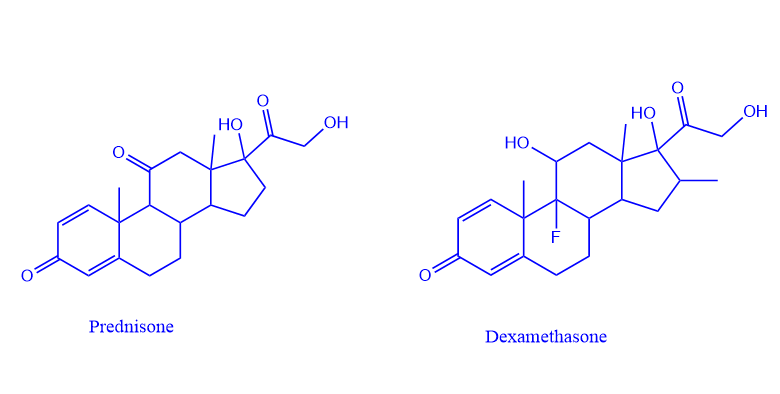
Corticosteroid hormones and sex hormones are the two categories of hormonal medicines used in cancer treatment. Some cancers (leukemia, multiple myeloma, and lymphoma) are treated with corticosteroids. Steroids are also used to minimize edema around brain and spinal cord tumors. Steroids are utilized in combination chemotherapy with other chemotherapy medicines. E.g., Prednisone, Dexamethasone
Antitumor antibiotics
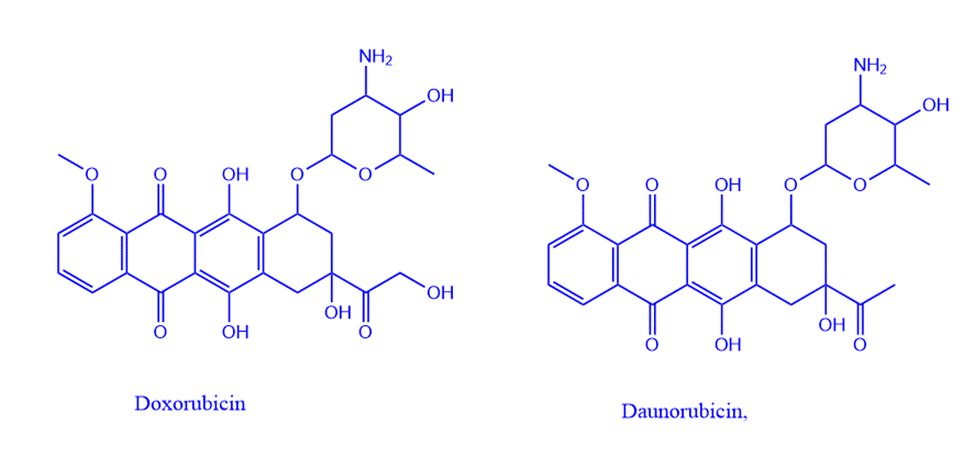
Antitumor antibiotics are chemotherapy medicines derived from natural compounds produced by Streptomyces species of soil fungus. These medications are considered cell-cycle specific because they function at different stages of the cell cycle. E.g., Doxorubicin, Daunorubicin, Actinomycin
References
- https://www.ncbi.nlm.nih.gov/books/NBK564367/
- https://training.seer.cancer.gov/treatment/chemotherapy/types.html
- https://uihc.org/health-topics/types-chemotherapy
