Shapes of Atomic Orbitals

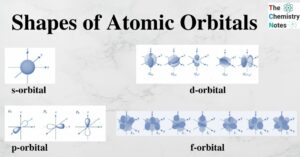
Shapes of Atomic Orbitals

Different atomic orbitals have different shapes. In other words, they describe different probability distributions for the electrons that surround the nucleus. One of the reasons why orbitals vary in energy is because the electrons in various orbitals are likely to … Read more

Nitrogen Fixation: Definition, Methods, and Benefits

Nitrogen Fixation Definition, Methods, and Benefits

The availability of mineral nutrients is essential for all species’ growth, but none is more crucial than nitrogen, which is needed in significant quantities since it is a necessary component of proteins, nucleic acids, and other cellular components. Nearly 79% … Read more

Transition metal complexes- Complex Ion Formation

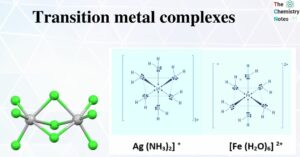
Transition metal complexes

Transition metal complexes, also known as coordination complexes, are molecules with groups organized around a central metal ion. In some ways, these are similar to “lego-molecules,” as they can be easily constructed from smaller pieces and sometimes converted into new … Read more

Buffer Solution- Types, Properties, and Uses

Buffer Solution- Types, Properties, and Uses

Buffer solutions are also useful in chemical and biochemical processes where pH control is critical. A constant pH is required for many biological and chemical reactions to proceed. In these systems, buffers are extremely useful to maintain pH. Buffers are extremely … Read more