Leaching: Types, Methods, Advantages, Disadvantages
Leaching

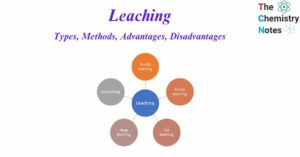
Leaching is a method by which inorganic, organic, or radionuclides diffuse from the solid phase into the aqueous phase by mineral dissolution, desorption, and complexation processes. What is leaching? It is a fundamental extraction operation in hydrometallurgical processing that involves transferring a … Read more
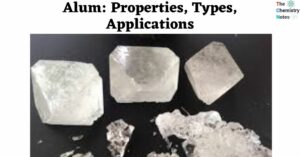
Alum: Properties, Types, Amazing Applications

Alum

Alum is an inorganic compound consisting of water molecules, aluminum, other metals besides aluminum, and sulfates. Alum, in its hydrated state, is classified as a double salt. There are various forms of alum, including Potash Alum, Soda Alum, Ammonium Alum, … Read more

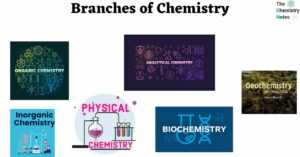
Branches of Chemistry

Branches of Chemistry

“The branch of science that deals with the identification of the substances of which matter is composed; the investigation of their properties and the ways in which they interact, combine, and change; and the use of these processes to form … Read more

Detergents: Types, Structure, Properties, Applications

Detergents Types, Structure, Properties, Applications

Detergents, in their various forms of powder or liquid, have emerged as the preeminent cleansing agents for fabrics, enjoying widespread utilization within the realm of laundering. These cleaning agents effectively suspend, solubilize, dissolve, or separate dirt and soil from textiles, … Read more