Surfactants: Mechanism of action, Types, Applications
Surfactants

Surfactants are surface active agents, which means “active on the surface.” Surfactant reduces surface and interfacial tension by adsorbing to surfaces and interfaces. “interface” refers to the link between two immiscible phases, while “surface” refers to a gas, such as air. Surfactants … Read more


Fire Ecology: Cause, Benefits, Disadvantages

Fire Ecology

Fire ecology is a specialized branch of ecology that delves into the origins of wildland fires and their intricate relationship with the surrounding environment, encompassing both living and non-living elements. A wildland fire is broadly categorized as any fire transpiring … Read more

Biological Function of Magnesium

Biological Function of Magnesium

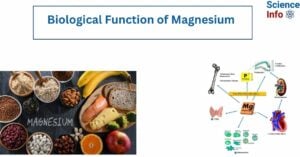
The biological function of magnesium (Mg), an alkaline earth metal with a silvery-white color, is of high importance in our body. The body uses magnesium (Mg2+) for many processes, including bone development, neuromuscular function, signaling pathways, energy storage and transfer, … Read more

Biological Function of Calcium: Clinical Application

Biological Function of Calcium Clinical Application

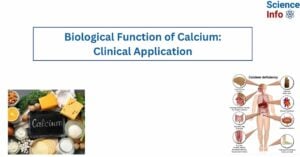
The biological function of calcium is immense in our body. The human body contains the highest concentration of inorganic calcium, which is vital to numerous physiological functions. For example, Ca2+ functions as a messenger and mediator for cardiac, skeletal, and … Read more

Clinical Application of Potassium

Clinical Application of Potassium

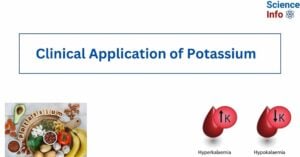
The clinical application of potassium is immense in today’s world. Potassium, named after its Latin name “kalium,” which has an atomic number of 19, and the chemical symbol K. Potash, or potassium carbonate, is where potassium was first extracted (K2CO3). … Read more