Introduction to Renewable Energy Sources
Renewable energy sources are sources from which energy is obtained naturally. These energy sources are everlasting and can be used repeatedly. They are naturally obtained, and hence the energy coming from renewable sources is sustainable, or called ‘Green Energy’. The well-known renewable energy source is the sun. Other sources are wind, water, earth itself, and other biological materials. Without a doubt, they can be used to meet energy requirements over time.
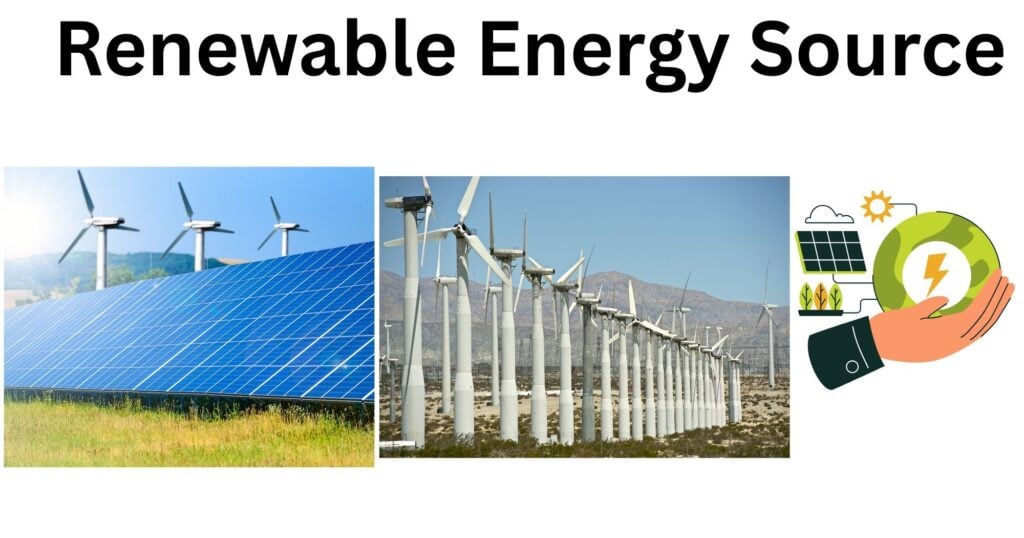
Energy is a need for survival for every living organism. It is also a key to new innovations and advancements. However, the world is facing challenges due to various adverse effects. Conventional energy sources are limited in availability and also degrade the earth with pollution, global warming, climate change, and multiple other issues. In this situation, renewable energy sources stand out as the only solution to save the Earth.
For every metabolic activity, from luxury to convenience, we depend on energy. No scientific advancements are possible without energy. Various acts, policies, summits, and conventions are being held to fully utilize renewable energy sources in the name of sustainable development and pollution reduction. Many developed countries are already bringing huge projects just to protect the environment. Slowly, they are going to totally take over the world. Hence, they are the demand of today’s world, modern technologies, and also the demand of the future.
Characteristics and Principles of Renewable Energy
Renewable energy has some distinguished features and principles. Some points are listed below:
Characteristics of Renewable Energy
-Naturally Replenished
Renewable energy sources are obtained naturally by the continuous renewal process. Sunlight, wind, rivers, biomass, etc., are abundant sources, and we get them daily in nature. Therefore, they are called eternal sources. We can depend on them for all generations.
-Environmentally Friendly
Renewable sources do not show any adverse effects on the environment as they are already given by nature. Hence, they help to reduce in evolving pollutants, greenhouse gases, and other harmful impacts.
-Sustainable
As mentioned above, these sources are never going to be finished. Hence, they are also called sustainable. Future generations can also make abundant use of it as a good replacement for conventional sources.
-Widely Available
Renewable energy resources are available in most of the parts of the world. Thus, they can be relied upon by every part depending on the conditions of that region.
-Reduced Dependence on Fossil Fuels
The conventional energy sources are limited. Therefore, they can be saved for the future by using renewable sources. This secures the availability of energy for future needs.
Principles of Renewable Energy
Renewable energy is based on the principle of conversion of energy into the required useful form of energy. For example, the available solar energy is converted into electrical energy. Similarly, available biomass is used to convert organic waste into heat energy and also fuels.
-Sustainability: Because they do no exhaust and are available for long run.
-Natural Energy Flow: Nature can easily provide this energy.
-Dynamic Characteristics: Can be prodiced under several environmentals conditions like suuny days, windy days, heavy water flow etc.
-Environmental Impact: Clean energy is obtained that reduces hazards to the environment.
-Technological Innovation: Advanced technologies are based on renewable energy.
Economic Development: Renewable energy projects are capable to provide jobs for huge mass.
Hence, understanding the principle of renewable energy helps in long-term development and securing the future.
Types of Renewable Energy Sources (Solar, Wind, Hydro, Biomass, Geothermal)
Renewable energy sources are of various types. Some of them are given below:
Solar Energy
Sun is the source of solar energy. It provides all the energy for the Earth. The energy is obtained in the form of heat and light.
Devices like solar panels and solar collectors are famous technologies for collecting solar energy. Solar panels are built with photovoltaic cells to convert sunlight into electricity.
-Uses of Solar Energy
- Generating electricity
- Heating
- Cooking
- Lighting
- Charging of a battery
- Running small electronic devices
It is a highly demanded energy source because of its abundance and efficiency.
Wind Energy
Blowing air is the source of wind energy. This air is captured by the wind turbines, and electricity is generated.
When the wind blows, it rotates the turbine. The rotation of turbines operates a generator and can produce electricity. The rotating blades drive a generator that produces electrical energy.
-Uses of Wind Energy
- Generating electricity
- Pumping of water
- Agricultural purpose
- Power supply for remote areas
It is also a clean and efficient energy source for places where the air blows at high speed.
Hydropower (Hydroelectric Energy)
Hydropower is obtained from flowing/falling water. It is the most popular method of generating electricity. Water is stored in dams and made to flow through turbines. This motion of water rotates the turbine, operates the generators, and finally produces electricity.
-Uses of Hydropower
- Generating electricity in a huge amount
- Irrigation
- Flood control
- Build water supply systems
It is the most reliable source to produce a great power supply.
Biomass Energy
Biomass energy is the energy coming from organic materials. For example, wood, crop residues, animal waste, plant materials, etc., can easily produce heat energy. Biofuels can be obtained from these materials that can directly produce heat.
-Uses of Biomass Energy
- Cooking fuel
- Heating
- Electricity generation
- Transportation fuel
Geothermal Energy
Geothermal energy is the energy obtained from the inner earth. The heat stored inside the Earth can also produce electricity. Geothermal power plants are made for this purpose.
-Uses of Geothermal Energy
- Electricity generation
- Heating buildings
- Greenhouse farming
- Industrial heating
Geothermal energy is also reliable because the heat inside the earth doesn’t run out.
How Renewable Energy Works and Is Generated
Renewable energy systems convert natural energy into usable forms.
Solar Energy Generation
Solar panels are built up using photovoltaic cells. The cells are made up of semiconductor materials like silicon. When sunlight hits these cells charge flows through the cells. This produces an electric current.
This is the mechanism of photovoltaic cells.
Solar thermal systems are quite different. They collect solar heat to warm water or air, which is used for domestic and industrial purposes.
Wind Energy Generation
The blades of wind turbines are mounted on tall towers. As the fast blowing winds blow, the blades of the turbine rotate, which operate the generator kept connected to the turbines.
The generator can now produce electricity with the process of electromagnetic induction.
Hydroelectric Energy Generation
To produce electricity from rivers, water is stored at certain heights. When the water flows downward through turbines it rotates the turbines. Hence generators connected with turbines produce electricity.
Biomass Energy Generation
Biomass energy can be produced through several methods:
- Burning of biomass materials like woods
- Anaerobic digestion can also produce biogas
- Fermentation produces ethanol
- Conversion into biodiesel
These fuels can be used for heating, cooking, electricity generation, and transportation.
Geothermal Energy Generation
Wells are drilled deep into the Earth to access hot water and steam. The steam rotates turbines connected to generators.
After use, cooled water is often pumped back underground to maintain sustainability.
Examples of Renewable Energy Sources in Real Life
Solar Energy Examples
- Solar calculators
- Solar street lights
- Solar panels
- Solar water heaters
- Solar farms producing electricity
Many rural areas use solar panels where grid electricity is unavailable.
Wind Energy Examples
- Large wind farms
- Small wind turbines for farms
- Offshore wind turbines near coastlines
- Wind-powered water pumps
Countries such as Denmark and Germany use wind energy extensively.
Hydropower Examples
- Large dams generate electricity
- Small hydroelectric plants in mountain regions
- Community water turbines
Many countries depend heavily on hydropower for electricity supply.
Biomass Examples
- Biogas plants using animal waste
- Wood-burning stoves
- Ethanol fuel from crops
- Biomass power stations
Biogas is commonly used in rural households for cooking and lighting.
Geothermal Examples
- Geothermal power plants
- Hot spring heating systems
- Geothermal heating for buildings
Countries such as Iceland use geothermal energy extensively because of volcanic activity.
Advantages of Renewable Energy Sources
Renewable energy offers many important advantages.
Environmentally Friendly
Renewable energy produces very low pollution compared to fossil fuels. It helps reduce greenhouse gas emissions and air pollution.
Sustainable Supply
Renewable energy resources are naturally replenished and available for long-term use.
Reduced Climate Change
Using renewable energy lowers carbon dioxide emissions, helping reduce global warming.
Energy Security
Countries can reduce dependence on imported fossil fuels by using local renewable resources.
Job Creation
Renewable energy industries create jobs in manufacturing, installation, maintenance, and research.
Low Operating Costs
After installation, many renewable energy systems have low operating and maintenance costs.
Useful for Remote Areas
Renewable systems can provide electricity in isolated regions without power grids.
Improved Public Health
Reduced pollution leads to better air quality and fewer health problems related to fossil fuel emissions.
Limitations of Renewable Energy Sources
High Initial Cost
Solar panels, wind turbines, and hydroelectric systems often require a large initial investment that cannot be afforded by common regions.
Weather Dependence
Some renewable sources depend on weather conditions.
- Solar energy requires sunlight.
- Wind energy depends on wind speed.
- Hydropower depends on water availability.
Energy Storage Problems
Sometimes energy cannot be stored due to the environmental conditions. Hence, the production of energy cannot be sufficient.
Large Land Requirement
Renewable energy projects need large piece of land. Thus, the energy production may not be possible in all places.
Environmental Impact
Although they generate clean energy, there are also some impacts to the environment.
For example:
- Water dams can hamper the aquatic ecosystem.
- Wind turbines can impact badly to the birds and their shelters
- Biomass can produce smoke and hence cause air pollution.
Technical Challenges
Renewable energy systems are operated with advanced technologies and professional workers. This may not be possible for all places.
Location Dependence
Renewable energy projects are also built in specific geographic regions and hence the possibility is limited.
Renewable Energy vs Non-Renewable Energy
The differences between the two energy sources are given below:
Renewable Energy
- COntinuously provided by nature
- No harm to the environment and known as clean energy
- Sustainable
- Produces low greenhouse gas emissions
- Examples are: solar, wind, hydro, biomass, and geothermal
Non-Renewable Energy
- Found limited in nature
- Require millions and billions of years to form small amount
- Produces high pollution
- Reason for global warming and climate change
- Examples are: coal, petroleum, natural gas, and nuclear fuels
Comparison of Renewable and Non-Renewable Energy
| Feature | Renewable Energy | Non-Renewable Energy |
| Availability | Continuously replenished | Limited supply |
| Pollution | Low pollution | High pollution |
| Sustainability | Sustainable | Unsustainable |
| Environmental Impact | Less harmful | More harmful |
| Fuel Cost | Usually free | Expensive over time |
| Climate Impact | Reduces greenhouse effects | Increases greenhouse effects |
On comparative study, it can be seen clearly that renewable energy suits best for the environment.
Applications of Renewable Energy in Daily Life and Industry
Some common applications of renewable energy are given below:
Domestic Applications
-Solar Home Systems
Solar panels are used to obtain electricity for purposes like lighting, fans, televisions, and charging devices.
-Solar Water Heating
Solar heaters provide heat energy to warm water. This is used for bathing and cleaning.
-Biogas Cooking
Biogas is common is rural areas for cooking. It is produced from natural animal wastes.
-Small Wind Turbines
Small turbines generate electricity for homes and farms.
Agricultural Applications
- Solar-powered irrigation pumps
- Biomass fuel from crop waste
- Wind-powered water pumping
- Solar drying of crops
Renewable energy helps reduce agricultural costs and supports sustainable farming.
Industrial Applications
Industries use renewable energy for:
- Electricity generation
- Heating processes
- Manufacturing operations
- Cooling systems
Large industries are increasingly installing solar panels and wind turbines to reduce energy expenses.
Transportation Applications
Renewable energy is widely used in transportation. For example:
- Biofuels like ethanol and biodiesel
- Electric vehicles
- Solar-powered charging stations
Importance of Renewable Energy for Sustainable Development
Sustainable development means the long-lasting development that is done without affecting the needs of future generations.
Renewable energy can only meet sustainable development because it is continuously given by nature which helps the overall development of a region.
Environmental Protection
Renewable energy reduces pollution and the emission of greenhouse gases. This helps to protect nature.
Economic Development
Renewable energy projects and industries can give employment to lots of youths in search of opportunities. The import of costly fuels to run the industries can be fully reduced to save a country’s economic stability.
Social Benefits
Renewable energy can provide easily accessible electricity to rural areas. This can improve education, communications, and living standards of people in those places.
Climate Change Mitigation
Use of renewable energy can reduce global warming because it decreases pollution.
Resource Conservation
Using renewable energy conserves the limited available resources and can be stored for future generations.
Challenges and Future Trends in Renewable Energy
There are also some challenges in maintaining and running renewable energy source-based systems. Some of the challenges are given below:
Challenges:
-Energy Storage
The storage of renewable energy for transformation purposes requires higher and more efficient technologies. They are also highly expensive.
-Infrastructure Development
Improved power grids and transmission systems are required to support renewable energy integration. However, this cannot be easily attainable infrastructure for most of the countries.
-Financial Investment
The cost of installing such energy projects is very high. Such investments cannot be done by developing and underdeveloped nations.
-Technological Limitations
Limited technology and skills are also challenging for small nations.
-Public Awareness
Lack of awareness in utilizing the renewable sources is also a problem for some countries.
Future Trends in Renewable Energy
The future works that can be done for renewable energy are as follows:
-Increasing Solar Power Use
Solar technology is becoming cheaper and more efficient. The use of solar power can be increased substantially and become popular worldwide.
-Expansion of Wind Farms
Larger wind farms can be built in places where the wind is noticeable. Many countries are already adopting offshore wind projects.
-Improved Battery Technology
Advanced batteries can store renewable electricity more efficiently.
-Smart Energy Systems
Smart energy systems like grids and digital technologies can help to improve energy supply and management.
-Green Hydrogen
Hydrogen obtained from renewable energy may be a clean fuel for transportation and industries.
-Growth of Electric Vehicles
The conventional fuel-based vehicles can be replaced by electric vehicles powered by renewable electricity.
-International Cooperation
Countries are working cooperatively to reduce impacts like the emission of greenhouse gases. This can help to preserve the environment.
Conclusion
Renewable energy sources are unconditionally provided by nature. They are highly demanded, environmentally conscious, and long-lasting resources. They are also known as clean energy with minimal or no impact on nature. Hence, they can replace the limited stock of non-renewable sources forever.
The principle of renewable energy is also based on the transformation of energy forms. They are sustainable, efficient, abundant, eco-friendly, and can also create economic development. They are only the solutions for growing environmental impacts. Hence, they can be utilized in the kitchen, transportation, industries, agriculture, and various other domains.
However, renewable energy requires high expenditure and lots of effort. Only a few developed countries have operated the systems, while developing countries are struggling. This challenge can also settle down in the future, with the developing innovations. Otherwise, there are no disadvantages of renewable energy.
In the future, renewable energy can become the only source of energy, concerning its positive sides. The international environmental organizations are continuously focusing on such technologies. In conclusion, renewable energy sources are the most significant for environmental conservation, a sustainable future, conserving conventional energy sources, and improving the ecosystem.
References
- Dincer, I. (2000). Renewable energy and sustainable development: a crucial review. Renewable and sustainable energy reviews, 4(2), 157-175.
- Twidell, J. (2021). Renewable energy resources. Routledge.
- Sorensen, B. (2004). Renewable energy. Elsevier.
- Bull, S. R. (2001). Renewable energy today and tomorrow. Proceedings of the IEEE, 89(8), 1216-1226.
- Panwar, N. L., Kaushik, S. C., & Kothari, S. (2011). Role of renewable energy sources in environmental protection: A review. Renewable and sustainable energy reviews, 15(3), 1513-1524.
- https://www.britannica.com/science/renewable-energy
- https://en.wikipedia.org/wiki/Renewable_energy
- https://www.sciencefacts.net/types-of-renewable-energy.html
