Difference Between Type 1 and Type 2 Diabetes

Difference Between Type 1 and Type 2 Diabetes
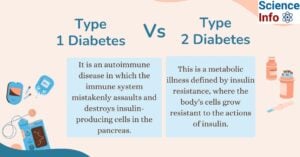
Diabetes is a chronic condition caused by either insufficient insulin production by the pancreas or ineffective insulin utilization by the body. Blood sugar is controlled by the hormone insulin. One common consequence of untreated diabetes is hyperglycemia, often known as … Read more
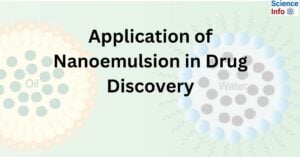

Application of Nanoemulsion in Drug Discovery

Application of Nanoemulsion in Drug Discovery

The pharmaceutical sector has recently made significant progress, focusing on enhancing drug delivery methods to improve the bioavailability of diverse drugs. Nanoemulsions, utilized for medication delivery, offer several advantages. Their small droplet size, typically ranging from 20 to 200 nanometers, … Read more

Biological Function of Magnesium

Biological Function of Magnesium

The biological function of magnesium (Mg), an alkaline earth metal with a silvery-white color, is of high importance in our body. The body uses magnesium (Mg2+) for many processes, including bone development, neuromuscular function, signaling pathways, energy storage and transfer, … Read more

Biological Function of Calcium: Clinical Application

Biological Function of Calcium Clinical Application

The biological function of calcium is immense in our body. The human body contains the highest concentration of inorganic calcium, which is vital to numerous physiological functions. For example, Ca2+ functions as a messenger and mediator for cardiac, skeletal, and … Read more

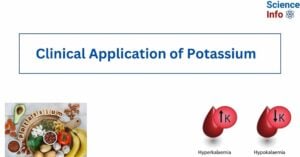
Clinical Application of Potassium

Clinical Application of Potassium

The clinical application of potassium is immense in today’s world. Potassium, named after its Latin name “kalium,” which has an atomic number of 19, and the chemical symbol K. Potash, or potassium carbonate, is where potassium was first extracted (K2CO3). … Read more

Radiopharmaceuticals for Imaging: A Brief Discussion

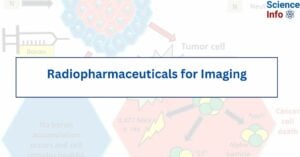
Radiopharmaceuticals for Imaging

Radiopharmaceuticals for Imaging are used for therapeutic purposes in the medical sector. Specifically, radiopharmaceuticals for imaging organ function and disease states are a unique capability of nuclear medicine. Drugs attached to radioactive materials are known as radiopharmaceuticals. They can be … Read more

Clinical Use of Lanthanoids

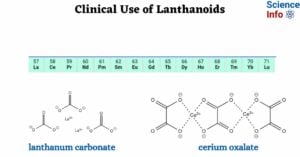
Clinical Use of Lanthanoids

The lanthanoid series comprises 14 elements, ranging from cerium to lutetium, and is commonly referred to as f-block metals due to the presence of 4f orbitals in their valence shell. These elements, named after lanthanum (La), which is itself a … Read more