Ion Chromatography: Principle, Instrumentation, Advantages
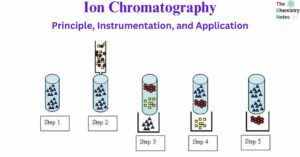
Ion Chromatography

Ion chromatography (IC) is a separation technique that exhibits several similarities with high-performance liquid chromatography (HPLC). However, IC also possesses distinct characteristics, such as its principle of separation and modes of detection, which allow its independent investigation. Ion chromatography (IC) … Read more
Potentiometry: Principle, Types, Electrodes, Advantages

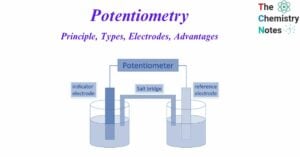
Potentiometry

Potentiometry is an electrochemical method that measures the electrical potential between two electrodes immersed in the solution to be analyzed. The necessary equipment for potentiometry consists of a potential measurement instrument, a reference electrode, and an indication electrode. Techniques known … Read more

Flash Chromatography: Principle, Instrumentation, Uses

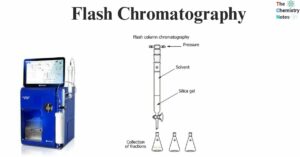
Flash Chromatography

Flash chromatography is a purification technique specifically developed for rapid separation. Unlike slow and inefficient gravity-fed chromatography, flash chromatography utilizes air pressure to achieve faster and more efficient separation. The technique employed in this method deviates from the conventional column … Read more